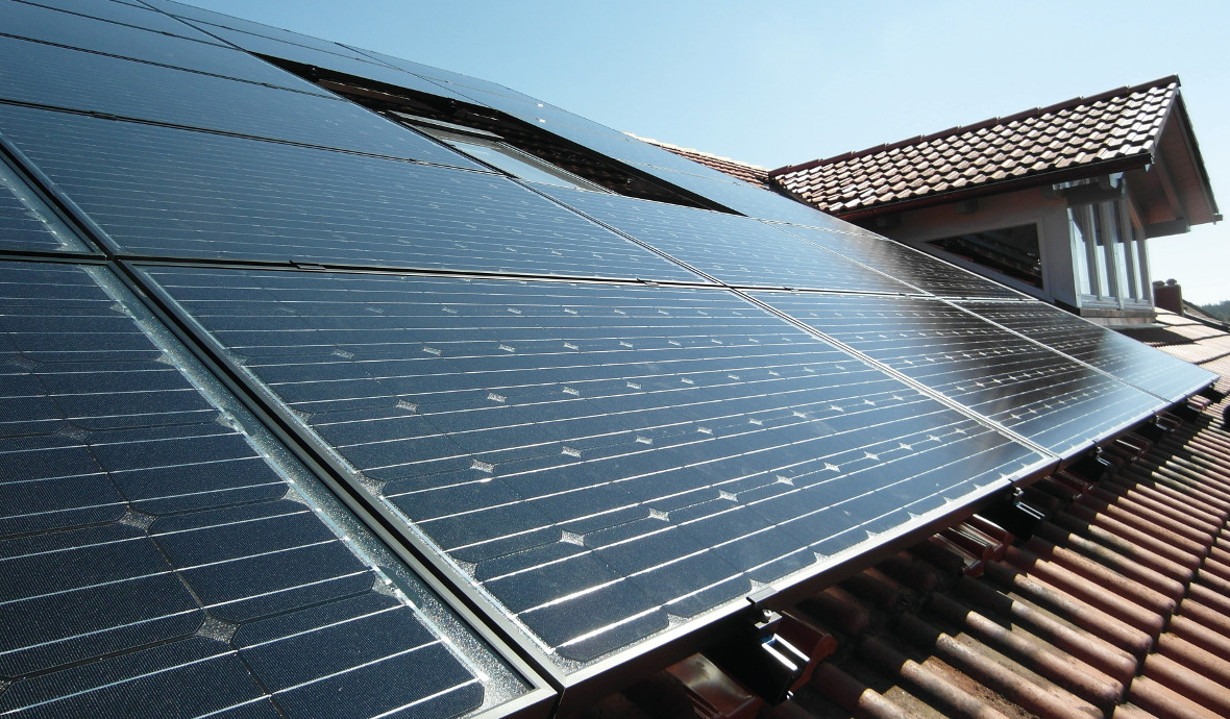
Solar Power could hold the answer to a bright future
Solar power is one of the most promising solutions to reduce global fossil fuel usage.
Environmental benefits and long-term cost savings for users have led to increased adoption in the commercial and consumer energy sectors, making solar energy technology’s future very bright.

The future of Solar Power
With more and more people choosing to install photovoltaic systems, the solar technology industry is growing rapidly. While the increasing popularity of PV energy generation has also caused the price of systems to fall, the government have begun to cut FiT payments in recent years. This trend is likely to continue, making now a good time to invest in PV technology.
- Over the past decade, the cost of solar has fallen dramatically.
- New technologies promise to increase efficiency and lower costs further.
- Solar energy will soon be unbeatable compared to fossil fuels.
In the coming years, technology improvements will ensure that solar becomes even cheaper. It could well be that by 2030, solar will have become the most important source of energy for electricity production in a large part of the world. This will also have a positive impact on the environment and climate.
 Image Source: IRENA
In addition, there are production innovations coming down the pipeline that will reduce the amounts of costly materials such as silver and silicon used in the manufacture of solar cells, as well as innovations such as bifacial modules which allow panels to capture solar energy from both sides. The other important innovation is around how best to integrate solar into our homes, businesses and power systems. This means better power electronics and greater use of low-cost digital technologies.
What does it mean for Solar Power?
What this means is that solar will reach, in many parts of the world, a Levelized cost of energy that will make it unbeatable compared to fossil fuels. Given that solar is so easy and quick to install, not to mention flexible – after all, solar can be used to power something as small as a watch or as large as a city – it should mean that solar installations continue to grow over the coming decade. This could also be very good for the climate. Now that is something bright to write about in 2021.
Thinking about a solar installation?
If you want to install solar panels for your home or commercial building, we can help. Just fill out our contact form. One of our experts will soon be in touch to discuss your project, before providing you with a proposal complete with performance estimates and an initial quote.
